Composite Door Care: Essential Cleaning & Maintenance Tips
Looking after a composite door doesn't have to be difficult. With the right cleaning methods and a few simple maintenance habits, you can keep your door looking its best and working smoothly.
In this guide, we'll cover how to clean a composite door, which products to avoid, how to care for its moving parts, and a simple maintenance schedule to help you stay on top of it all.

Are composite doors low maintenance?
Yes, composite doors are generally low maintenance and don't require extensive upkeep. Regular cleaning with suitable products, occasional checks and proper care of the locks, hinges and other hardware will help keep your door looking good and working properly.
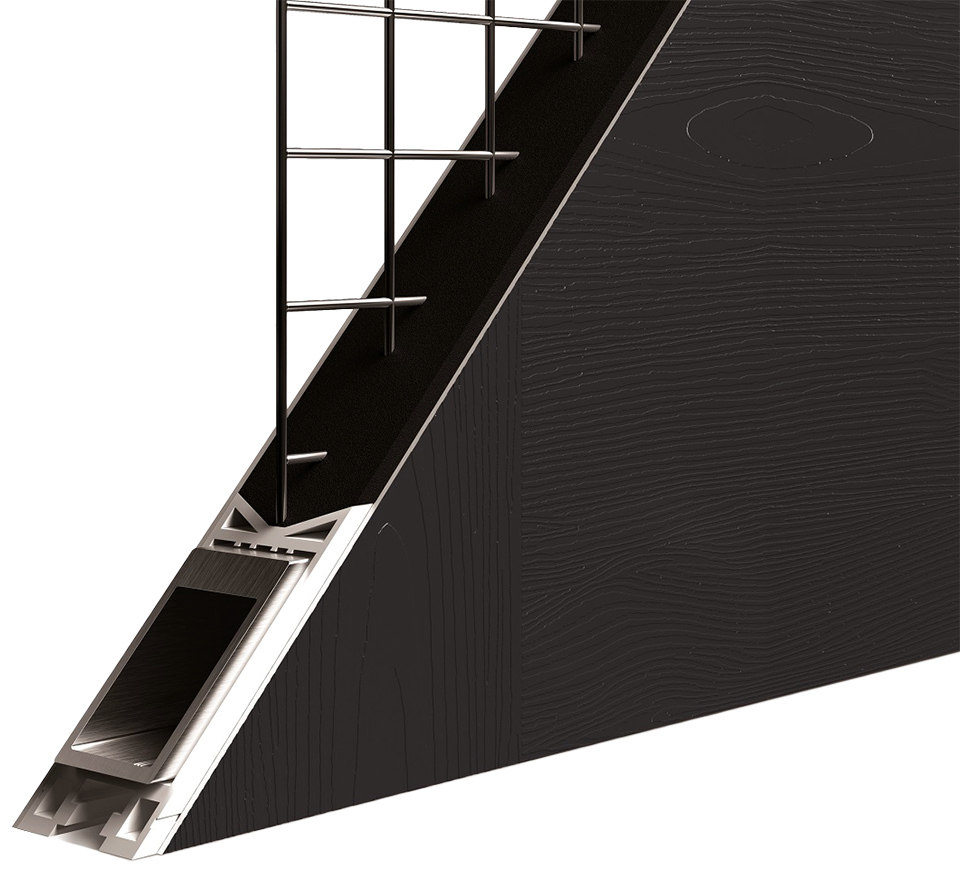
However, maintenance requirements can vary depending on the door's construction, outer surface and fitted hardware. For example, Rockdoor doors feature a reinforced construction, a high-density polyurethane foam core and a durable PVC-U outer skin. It's important to follow the care instructions for your particular door rather than assuming every composite door needs exactly the same cleaning treatment.
How to clean a composite door?
The best way to clean your composite door is to use a soft, non-abrasive cloth or sponge with warm water and a suitable mild cleaning solution. Gently wipe the door to remove dirt and marks, then rinse away any residue if required and dry with a clean, soft cloth. Avoid abrasive cleaners and harsh chemicals that could damage the finish.
Cleaning requirements can vary depending on the door's manufacturer and outer surface, so always check the care instructions before choosing a cleaning product.
Before you start, gather the following cleaning products and essentials to make the job easier and help protect your door's finish.
Cleaning products and essentials you'll need
- A bucket of warm water
- A soft, non-abrasive cloth or sponge
- A mild cleaning solution, if approved by the manufacturer
- A separate clean cloth for drying
- A suitable glass cleaner for glazed panels
Avoid using rough sponges, scouring pads or anything that could scratch the door's surface.
Step-by-step composite door cleaning instructions
1. Remove loose dirt and dust
Start by brushing away loose dirt, cobwebs and grit from the door and frame. Pay attention to the edges, corners and areas around the handle and letterplate. Removing loose debris first helps prevent it from scratching the surface while you clean.
2. Prepare your cleaning solution
Use warm water and a mild cleaning solution if the manufacturer recommends one. Don't assume washing-up liquid or a household detergent is suitable for every composite door.
For Rockdoor, occasional cleaning with warm soapy water is recommended. Avoid solvent-based and abrasive cleaners, which can damage the door's finish.
3. Gently clean the door surface
Dampen a soft cloth or sponge with your cleaning solution and wipe the door gently. Work across the surface, paying attention to areas around the handle, letterplate and lower part of the door where dirt can build up.
There's no need to scrub hard. If a mark doesn't come away easily, check with the manufacturer before trying a stronger cleaning product. Bird droppings and stubborn dirt are best dealt with promptly, using a cleaning method approved for your door's finish.
4. Clean the door frame and edges
Wipe down the frame, edges and accessible areas around the threshold using a suitable cloth and cleaning solution. Dirt can collect around the bottom of the frame, so give this area some attention.
Avoid forcing water into joints, seals or gaps around the door. Remember to check the frame as well as the door panel, looking out for any visible damage or areas that may need attention.
5. Clean the glass separately
If your composite door has glazed panels, clean the glass with a suitable glass cleaner and a soft cloth, following the product instructions. Apply the cleaner carefully rather than spraying it directly over the door surface, seals or surrounding hardware.
6. Rinse and dry where required
If your cleaning solution requires rinsing, use a clean, damp cloth to remove any residue. Finish by drying the door with a soft, clean cloth to prevent water marks.
A gentle clean is usually enough to remove everyday dirt and keep the door looking presentable.
What cleaning products should you avoid?
Using the wrong cleaning products can mark, dull or damage a composite door's outer finish. Some products may also affect decorative hardware, seals or surrounding surfaces.
Unless your door manufacturer specifically recommends them, avoid:
- Abrasive cleaners and scouring pads: These can scratch the surface and affect its finish.
- Solvent-based products: Cleaners containing solvents, such as white spirit or acetone, may damage the door's outer skin.
- Bleach and strong chemicals: These can discolour or deteriorate certain finishes and components.
- Harsh household detergents: Not every composite door is suitable for standard household cleaning products.
- Pressure washers and steam cleaners: High pressure and heat can put unnecessary stress on seals, joints and surrounding components.
If you're unsure whether a product is suitable, check the manufacturer's care instructions or ask your door installer before using it.
Composite Door Maintenance Tips
Cleaning the surface is only part of looking after a composite door. The locks, hinges, handles, seals and threshold also need occasional attention to help the door operate as intended.
Looking after locks and locking mechanisms
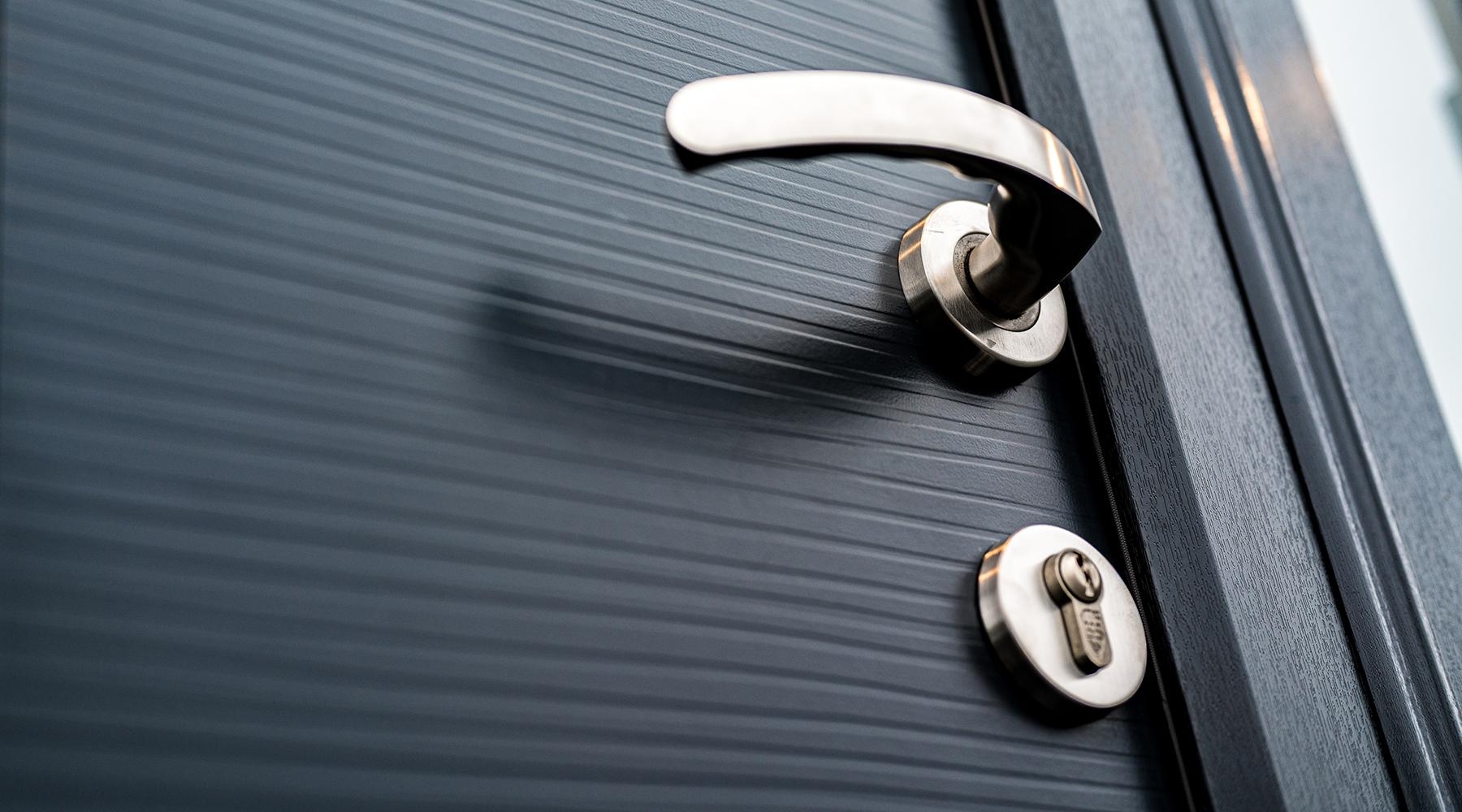
Keep the visible parts of the locking mechanism free from dirt and grit. If your door has a multipoint locking system, take care not to force the handle or key if the mechanism becomes stiff.
Different locks and cylinders can require different types of lubricant. Always follow the instructions supplied with your door or locking hardware rather than applying a general-purpose spray to every moving part.
For Rockdoor, we recommend applying a silicone-based lubricant spray monthly to the centre latch and striker plate, and every three months to the hook locks, lock keeps and hinges. However, our APECS AP V3 cylinder has different requirements and should be lubricated every six months using a suitable non-silicone-based lock lubricant. Avoid oil-based sprays such as WD-40, as they can attract dust and debris, potentially causing the cylinder to become stiff.
These instructions are specific to Rockdoor, so always check the manufacturer's guidance for other door systems.
If the key becomes difficult to turn, the handle feels loose, or the door no longer locks smoothly, contact your installer or a qualified door professional. Avoid forcing the mechanism or attempting adjustments without knowing the type of hardware fitted.
Caring for hinges and handles
Wipe handles, hinges, letterplates and other door furniture with a soft cloth and a suitable cleaning solution. Dry them thoroughly afterwards, particularly if the fittings are made from stainless steel or have a specialist decorative finish.
The maintenance requirements can vary depending on the material and coating. Use only the cleaning products and lubricants recommended for your particular hardware.
Maintaining weather seals and threshold
Check the rubber weather seals around the door occasionally for visible damage, gaps or signs of wear. These seals help reduce draughts and prevent water from entering around the door.
It's also worth checking the threshold for leaves, dirt and other debris. Keep any visible drainage openings clear so that water can escape as intended.
If a seal has become damaged or the door is letting in water, contact your local installer to inspect it rather than trying to repair or replace components without the correct parts.
Keeping the door and frame in good condition
A few simple habits can help prevent avoidable wear. Clean away bird droppings and stubborn marks as soon as practical, using products suitable for your door's finish. Avoid leaving wet items in prolonged contact with the door, particularly where they could trap moisture against the surface or hardware.
Make a habit of checking the whole doorway, not just the door panel. Look over the frame, threshold, seals and accessible drainage areas for dirt, blockages or visible damage. Keeping these areas clean can help water drain away as intended and make it easier to spot problems early.
How often should you maintain a composite door?
Composite doors don't need constant attention, but a simple routine can help you spot small issues before they become bigger problems. The schedule below is a general guide. Always follow the care instructions supplied with your own door, particularly for locks and hardware.
If your door becomes difficult to open, close or lock, don't wait for the next maintenance check. Get in touch with your installer to investigate the cause.
Keep your composite door in good condition
A little regular care can go a long way towards keeping your composite door clean and working properly. Use gentle cleaning methods, avoid unsuitable products and check the hardware, frame and seals from time to time.
If you're considering a new composite front door, our composite doors buying guide explains what to look for when choosing a new door. If you already own a Rockdoor, you can find more information in our FAQs.


FAQs
Composite door care questions, answered
Clean your composite door whenever it becomes visibly dirty. As a general guide, an occasional clean every few weeks or once a month may be enough for many homes, although doors exposed to heavy traffic, coastal conditions or more dirt may need attention more often. Follow the manufacturer's recommended cleaning frequency.
A soft, non-abrasive cloth and a suitable cleaning solution are usually the best starting point. The exact product depends on the door's outer surface, so check the door manufacturer's instructions before using household detergents or specialist cleaners.
It depends on the manufacturer and the door's surface. Some care guides recommend mild soapy water, while others advise against washing-up liquid and household detergents. Check your door's instructions first. For Rockdoor, warm soapy water is recommended for occasional cleaning.
Avoid abrasive cleaners, scouring pads, solvent-based products and strong chemicals unless the manufacturer specifically approves them. Pressure washers and steam cleaners are also best avoided, as high pressure and heat can put unnecessary stress on seals and joints.
Use a suitable glass cleaner and a soft, clean cloth, following the cleaner's instructions. Avoid spraying directly onto the surrounding door surface, seals or hardware, as the product may not be suitable for those materials.
It's best to avoid pressure washers and steam cleaners. High-pressure water or heat can put unnecessary stress on seals, joints and surrounding components. A soft cloth, suitable cleaning solution and gentle manual cleaning are a safer approach.
Keep the visible hardware clean and use only the lubricant and maintenance routine recommended by the manufacturer. Lock cylinders, multipoint mechanisms and hinges can have different requirements, so don't assume one lubricant is suitable for every component.
For example, use a non-silicone-based lock lubricant every six months for Rockdoor's APECS AP V3 cylinder. Avoid oil-based sprays such as WD-40, as these can attract dust and debris.
Contact your installer if your door becomes difficult to operate.
This depends on the door manufacturer and its finish. Painting may affect the surface, appearance or guarantee, so check the manufacturer's instructions before applying paint.
Latest News



30 Years of Innovation
For almost 30 years, we’ve been redefining what a door can be. From signature styles and striking glass designs to pioneering construction and unmatched security, our innovations have earned the trust of more than one million homeowners throughout the UK.


Unique Doors
Every Rockdoor is uniquely made to reflect your personal taste, not just for how it looks, but for how it feels the moment you step through.
Customised Glass
With Rockdoor, each glazing design is crafted individually to strike the perfect balance of light, privacy, and personality for your home.
Standout Colours
Make an unforgettable impression with Rockdoor’s carefully curated colour range, designed to complement any style and last for years.
Highly Secure
Rockdoors are made to measure, never cut to fit, and with a reinforced inner frame, precision engineering, and multi-point locking systems, they are guaranteed to protect what matters most.
Warm & Cosy
There’s nothing like walking into a warm, cosy home. A Rockdoor helps make that welcome a little more comforting, every day — without you even thinking about it.
Trusted Local Installers
Our wide network of 200+ Rockdoor Trusted Installers will help you choose your perfect door, carry out a hassle-free survey, provide you with an estimate and help plan your installation.




Design your dream door with the Rockdoor 3D Door Designer.
Choose unique styles, colours, and glass, then visualise on your home.
We are different.
We are Rockdoor.
Rockdoor stands in a league of its own because it’s engineered as a complete security and performance system. Every Rockdoor is built to order—crafted to look exceptional and last a lifetime. The result is a Rockdoor offering outstanding strength, efficiency, and long-lasting reliability, paired with style to suit any home.