Composite vs uPVC Doors: What's the Difference?
If you're replacing a front or back door, two of the options you're likely to come across are composite and uPVC doors.
They can look quite similar and provide a secure, low-maintenance entrance, but they are constructed differently and can vary considerably in price, appearance and performance. So, what is the difference between composite and uPVC doors, and which is the better choice for your home?
In this guide, we'll explain how each type of door is made, compare their security, insulation, durability, appearance and cost, and look at what to consider before buying.
What is the difference between composite and uPVC doors?
Composite and uPVC doors differ mainly in their construction. A composite door is made from multiple materials combined to provide strength, insulation and durability, while a uPVC door is primarily built around uPVC profiles and a door panel. The construction differences influence factors such as price, weight, appearance, security, thermal performance and design options.
What is a composite door?
A composite door is made using a combination of materials, each selected to contribute to the door's overall strength, insulation, appearance and durability.
Unlike a standard uPVC door, which relies mainly on plastic profiles, composite doors bring different materials together to create a more engineered structure. The exact construction varies between manufacturers, so it is worth checking what sits beneath the door's outer finish.
What is a uPVC door?
uPVC stands for unplasticised polyvinyl chloride. It is a rigid form of plastic commonly used in windows and external doors because it is durable, resistant to moisture and relatively easy to maintain.
A uPVC door is generally made from a frame of hollow plastic profiles, which may contain several internal chambers. These chambers can help improve insulation, while additional reinforcement may be used to provide strength and support for the door's hardware.
One of the main reasons homeowners choose uPVC is its affordability. It can be a practical option for front and back entrances, particularly when keeping the initial purchase cost down is a priority
Composite doors vs uPVC doors at a glance
Before looking at each door in more detail, here's a quick comparison of both door types.
The material name is only the starting point. The construction and specification of the complete doorset determine how the door performs. Two composite doors can be built very differently, just as two uPVC doors can have very different specifications.
This is particularly important when you're comparing prices. A cheaper composite door isn't necessarily constructed in the same way as a highly engineered premium composite door, even if the two look similar from the outside.
Construction and strength
The simplest way to understand the difference is to look at what is inside the door.
What is a composite door made of?
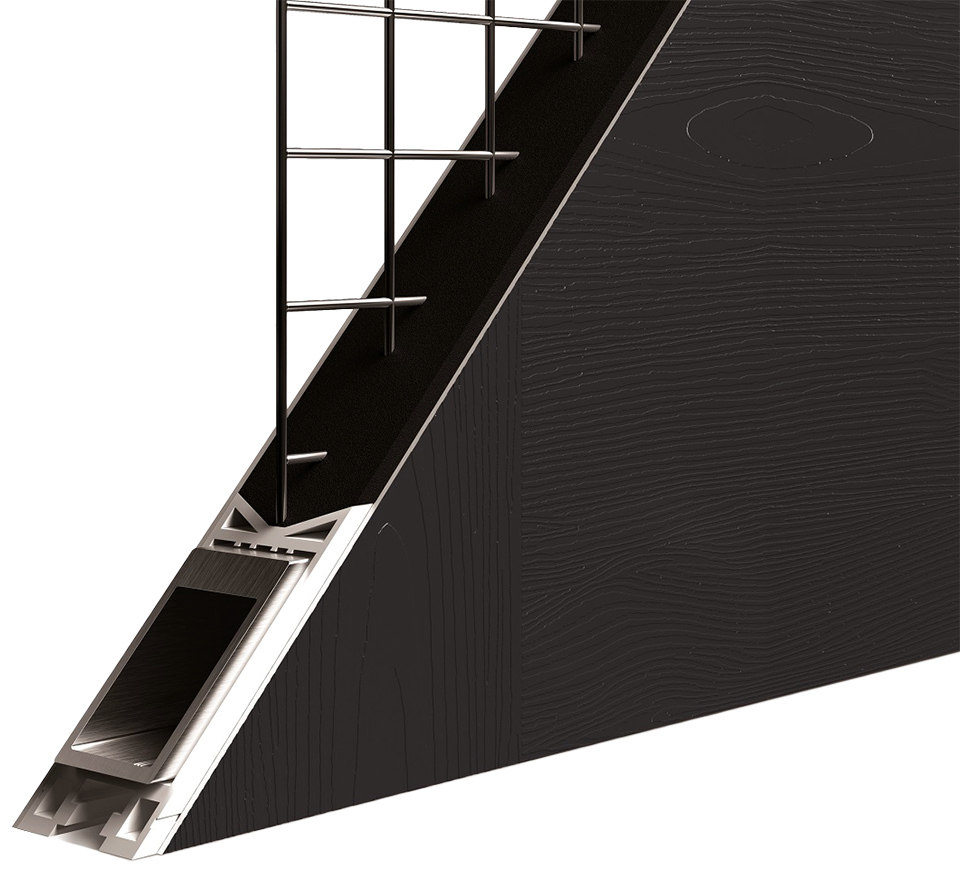
Composite doors use a combination of materials, which can include an insulated core, reinforced sections and a protective outer skin.
The exact construction varies between manufacturers, so it's worth checking what you're actually buying rather than assuming every composite door is made in the same way.
Rockdoor, for example, takes an engineered approach to its composite door construction, using a high-density polyurethane foam core, thermally efficient PVC-U skins and an aluminium-reinforced inner frame. Its technical construction is designed as a complete system rather than simply being a thicker version of a standard door.
What is a uPVC door made of?
A uPVC door is primarily constructed from unplasticised polyvinyl chloride (uPVC), usually using a rigid frame made from hollow profiles. These profiles can include internal chambers and reinforcement to improve stability. The door panel and surrounding frame then work together to provide the structure needed for everyday use.
They are generally lighter than composite doors and have been widely used for external entrances across the UK. The construction can still vary considerably between manufacturers. Things such as the profile system, reinforcement, panel construction, glazing, locking system, and frame all contribute to the finished door and how it performs.
Security: Are composite doors more secure than uPVC doors?
Security is understandably high on the list when choosing a new front door. Your entrance needs to do more than look good; it should help protect your home and provide confidence when you're away.
Both composite and uPVC doors can offer good security. The difference comes down to the complete door system, including its construction, frame, locks, hinges, cylinder, glazing and how everything is fitted.
Some uPVC doors use reinforced profiles and multipoint locking systems, while composite doors can incorporate additional reinforcement and more substantial construction. However, it would be misleading to say that every composite door is automatically more secure than every uPVC door.
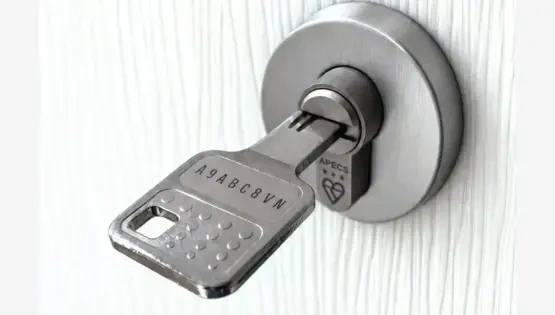
Rockdoor composite doors are designed with security as a central part of their construction. Its doors feature a reinforced inner frame, multipoint locking and a 3-star cylinder with Active Snap Protection. An internal steel security mesh is also available as an additional feature on selected specifications.
These features work together rather than relying on one lock or material to provide protection. When comparing doors, look at the complete security specification and check whether the doorset has relevant independent certification.
Want to look more closely at what's inside a Rockdoor? Explore Rockdoor security features to see how the construction, glazing and locking system work together.
Which door is more energy efficient: composite or uPVC?
Both composite and uPVC doors can offer good thermal performance when they are well designed, properly sealed and correctly installed. How well a door retains heat depends on much more than the material used on its outside.
Composite doors often use an insulated core to help reduce heat transfer. The type and thickness of this core, alongside the door's frame, glazing, seals and threshold, all contribute to its overall thermal performance.
uPVC doors can also provide good insulation. Their multi-chambered profiles help limit heat transfer, while insulated panels can further improve the door's performance.
When comparing the two, consider the door's overall construction, including its insulation, frame, glazing, seals and gaskets, threshold and installation. This gives you a much better indication of its energy efficiency than the material alone.
Useful tip: Look for the whole-door or doorset U-value when comparing composite and uPVC doors. This gives you a more useful indication of thermal performance than claims about the insulation inside the door alone.
What is a U-value?
A U-value measures how quickly heat passes through a building component, such as a door, window or wall. It is measured in W/m²K (watts per square metre kelvin). The lower the U-value, the better the insulation, as less heat passes through the component.
Are composite doors warmer than uPVC?
Not necessarily. Composite doors often have an insulated core, while uPVC doors use multi-chambered profiles and insulated panels to help retain heat. Either type can provide good thermal performance, depending on its construction, glazing, seals and overall specification. The best way to compare them is to check their whole-door U-values rather than assuming composite doors are always warmer.
How does Rockdoor approach thermal performance?
Rockdoor's construction combines a 50mm-thick sash, high-density polyurethane foam, PVC-U skins, an aluminium-reinforced inner frame, performance gaskets and S-Glaze technology. These components work together to achieve high thermal performance ratings, with many Rockdoor designs achieving an A energy rating.
See Rockdoor's thermal performance to find out more about the construction behind its energy-efficient composite doors.
Are composite doors more expensive than uPVC doors?
Generally, yes. uPVC doors tend to have a lower initial purchase price, making them an attractive option for homeowners working to a tighter budget. Composite doors often cost more because of their construction, materials and available specifications.
However, the price of either type can vary depending on the size, design, colour, glazing, hardware and whether you choose supply only or supplied and fully fitted. Here's a closer look at what you can expect to pay.
How much does a uPVC door cost?
A uPVC front door typically costs between £700 and £1,200 when fully supplied and fitted. The final price depends on the door's design, glazing, colour, frame and the installation work required.
If you're purchasing the door framework on a supply-only basis, prices generally start from £400 to £600. This can be a more affordable option if you already have suitable installation arrangements in place.
How much does a composite door cost?
A composite front door typically costs around £1,000 to £3,000 or more when supplied and professionally fitted. The final price depends on the door's construction, size, design, glazing, hardware and installation requirements.
For supply-only purchases, composite doors can start at around £450 to £800, while more highly specified options can cost £1,000 to £1,200 or more. Premium designs, additional security features, decorative glazing and bespoke finishes can all increase the price.
When comparing composite doors, it's worth looking beyond the initial cost and considering the construction, security features and overall specification. If you're considering a Rockdoor, our composite door pricing guide explains the factors that influence the cost and what to consider when comparing quotes.
Appearance and design options
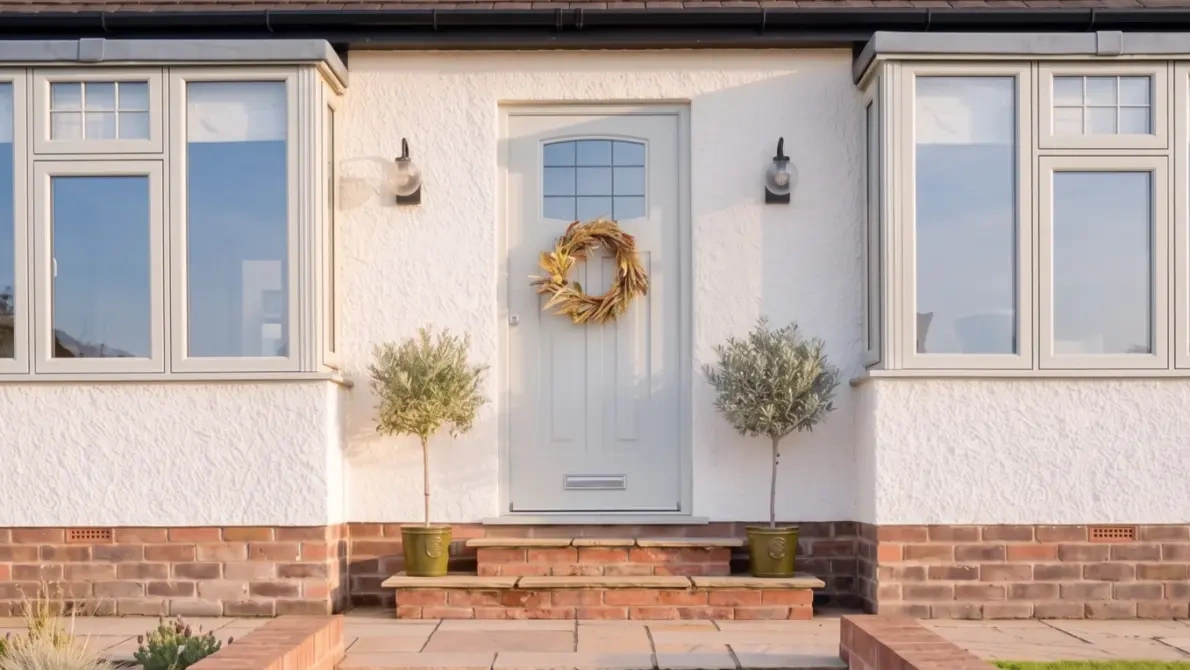
Both composite and uPVC doors are available in a range of colours, styles, glazing options and finishes. You can find traditional designs, contemporary styles and options that complement different types of property.
The difference is often more noticeable in the look and feel of the finished door rather than the number of options available.
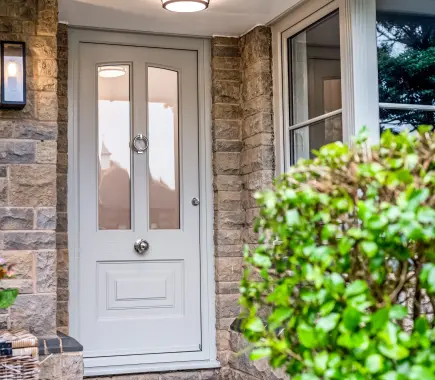
Composite doors look and feel substantial, featuring a realistic woodgrain texture. They have a solid, robust feel and can be customised with different colours, glazing, hardware and finishes to suit both traditional and contemporary homes.
uPVC doors typically have a smoother, more uniform appearance and a lighter, more plastic-like feel than composite doors. They are available in a range of colours and styles, although they generally offer fewer options for customisation, glazing and finishes.
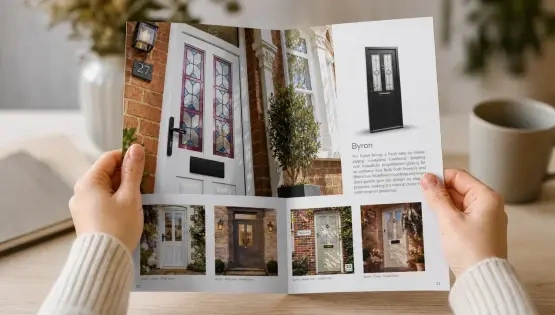
If you're considering a composite door, Explore Rockdoor's composite door styles for inspiration. You can choose from traditional and contemporary door styles, then personalise the colour, glazing and hardware, using Rockdoor 3D Door Designer to visualise your choices and see how your design could look before making a decision.
Composite or uPVC door: Which door requires less maintenance?
Both composite and uPVC doors are generally considered low-maintenance alternatives to traditional timber doors.
Neither composite nor uPVC doors should require particularly demanding maintenance when they are properly manufactured and looked after.
Day-to-day maintenance is usually straightforward:
- Wipe the door surface clean when needed
- Keep drainage and threshold areas clear
- Clean the glass and hardware
- Check seals and moving parts
- Follow the manufacturer's care instructions
One advantage of these door types is that they do not usually require the regular sanding, painting or sealing associated with timber doors.
Durability and weather resistance
Your front door is exposed to changing temperatures, rain, wind and regular use. It needs to cope with these conditions without becoming difficult to operate or requiring constant attention.
Both composite and uPVC doors are designed to be low-maintenance options for external entrances. uPVC is resistant to moisture and does not rot, while composite doors combine materials intended to provide a durable structure and protective outer finish.
Durability of Composite doors
When it comes to durability and lifespan, composite doors generally have the edge over uPVC doors. A good-quality composite door can typically last around 30 to 35 years or more. Composite doors have a robust, multi-layer construction designed to withstand everyday use and changing weather conditions. Their durable outer skin helps resist warping, rotting and weather damage, while the overall construction helps the door retain its shape and appearance over time. With relatively little maintenance required, a quality composite door can continue to perform well for decades.
Durability of uPVC doors
uPVC doors are also considered durable and low maintenance, with a typical lifespan of around 20 to 25 years. However, prolonged exposure to sunlight, temperature changes and everyday use can affect their appearance over time, with some finishes becoming discoloured or showing signs of ageing. Seals, hinges and locking mechanisms may also need attention as the door gets older.
You may see manufacturers and installers quote specific lifespans for their doors, but these figures shouldn't be treated as a universal lifespan for every door of that material. The actual lifespan of either door will depend on its construction, installation, level of use and maintenance.
Instead, when comparing a composite and uPVC door, look at the manufacturer's guarantee, construction details and expected service life for the specific door.
It's also worth remembering that a door doesn't necessarily need to be replaced simply because one component eventually needs attention. Hardware, locks, seals and other parts can have different service lives from the door itself.
Composite or uPVC door: which suits your home?
Rather than asking which material is universally better, start with what matters most to you.
Choose a composite door if:
- You want a substantial, multi-material door construction.
- You prefer a traditional timber-effect or premium finish.
- You want a wide choice of colours and decorative options.
- You are looking for a door with specific security and insulation features.
- You are comfortable paying more upfront for the specification you want.
Choose a uPVC door if:
- You want a more affordable replacement door.
- You prefer a simple, practical design.
- Low maintenance is important to you.
- You need a straightforward option for a rear or side entrance.
- You have found a model that meets your security and thermal requirements.
These are general considerations rather than strict rules. If you're replacing a basic rear door and keeping the initial cost as low as possible is important, a uPVC door may fit your requirements.
If you're looking for a highly specified entrance with a substantial construction, extensive design options and a particular level of security or thermal performance, you may want to compare premium composite doors alongside uPVC alternatives.
Read our detailed guide to buying a front door for expert advice and helpful tips on choosing the right door for your home.
Final thoughts: which door should you choose?
Composite and uPVC doors both have their advantages, and either can be a practical replacement for an older entrance door.
uPVC is a popular choice for homeowners who want an affordable, low-maintenance option. Composite doors, on the other hand, offer a combination of materials, a more substantial construction and plenty of choice when it comes to finishes and designs.
If you are looking for a new front door, it is worth comparing the construction, security, thermal performance and overall specification before making your decision.
At Rockdoor, we manufacture composite doors designed to combine strength, insulation and distinctive design. Explore our range of composite front doors to discover different styles, colours and glazing options, or use our 3D Door Designer to start designing an ideal door for your home.


Latest News
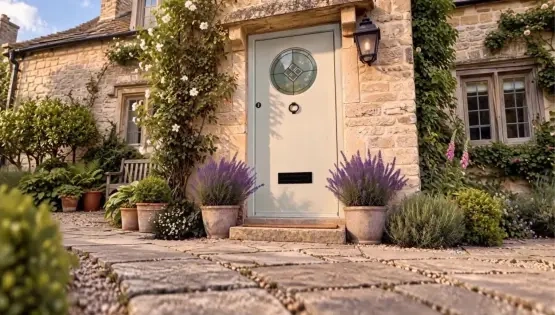
30 Years of Innovation
For almost 30 years, we’ve been redefining what a door can be. From signature styles and striking glass designs to pioneering construction and unmatched security, our innovations have earned the trust of more than one million homeowners throughout the UK.


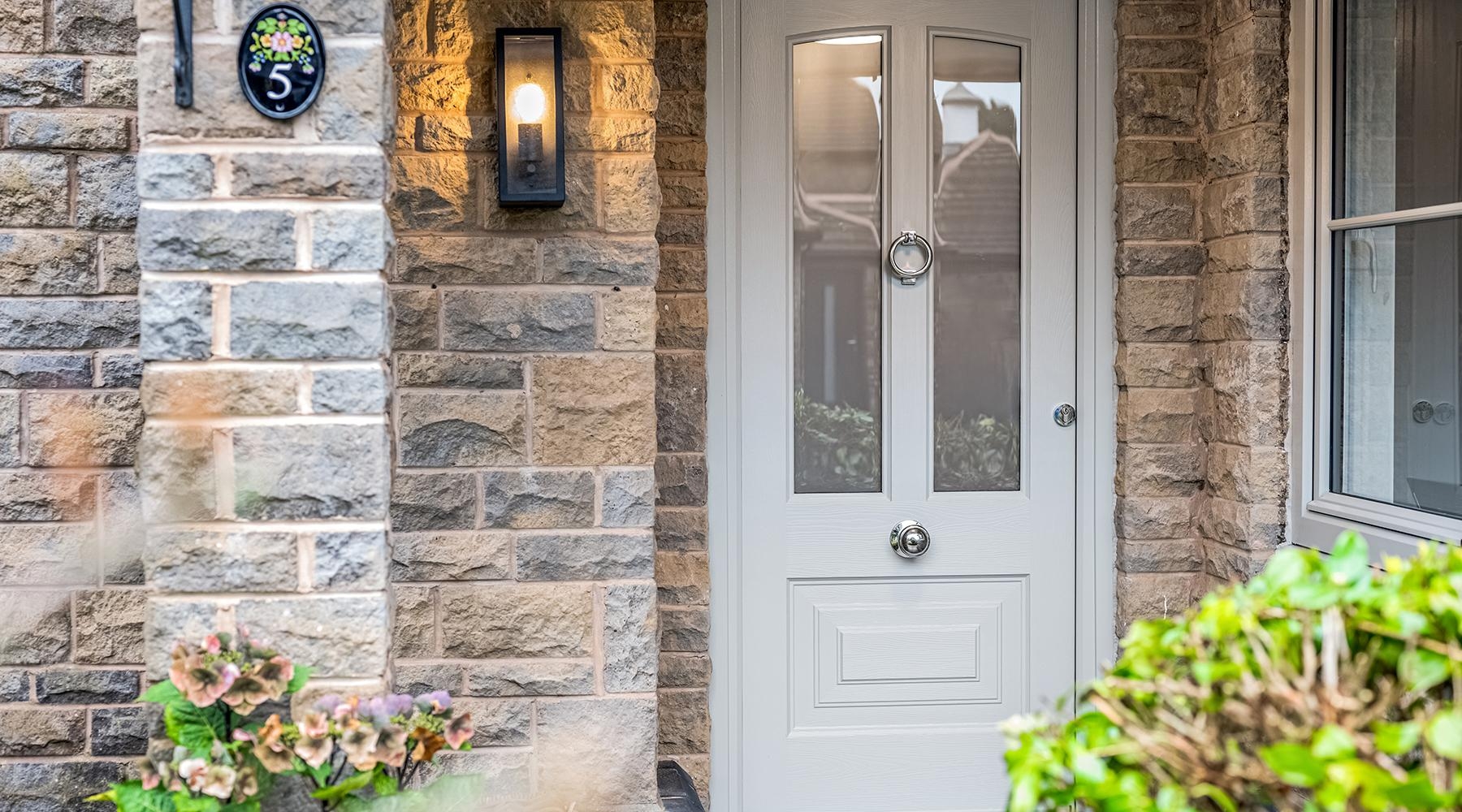

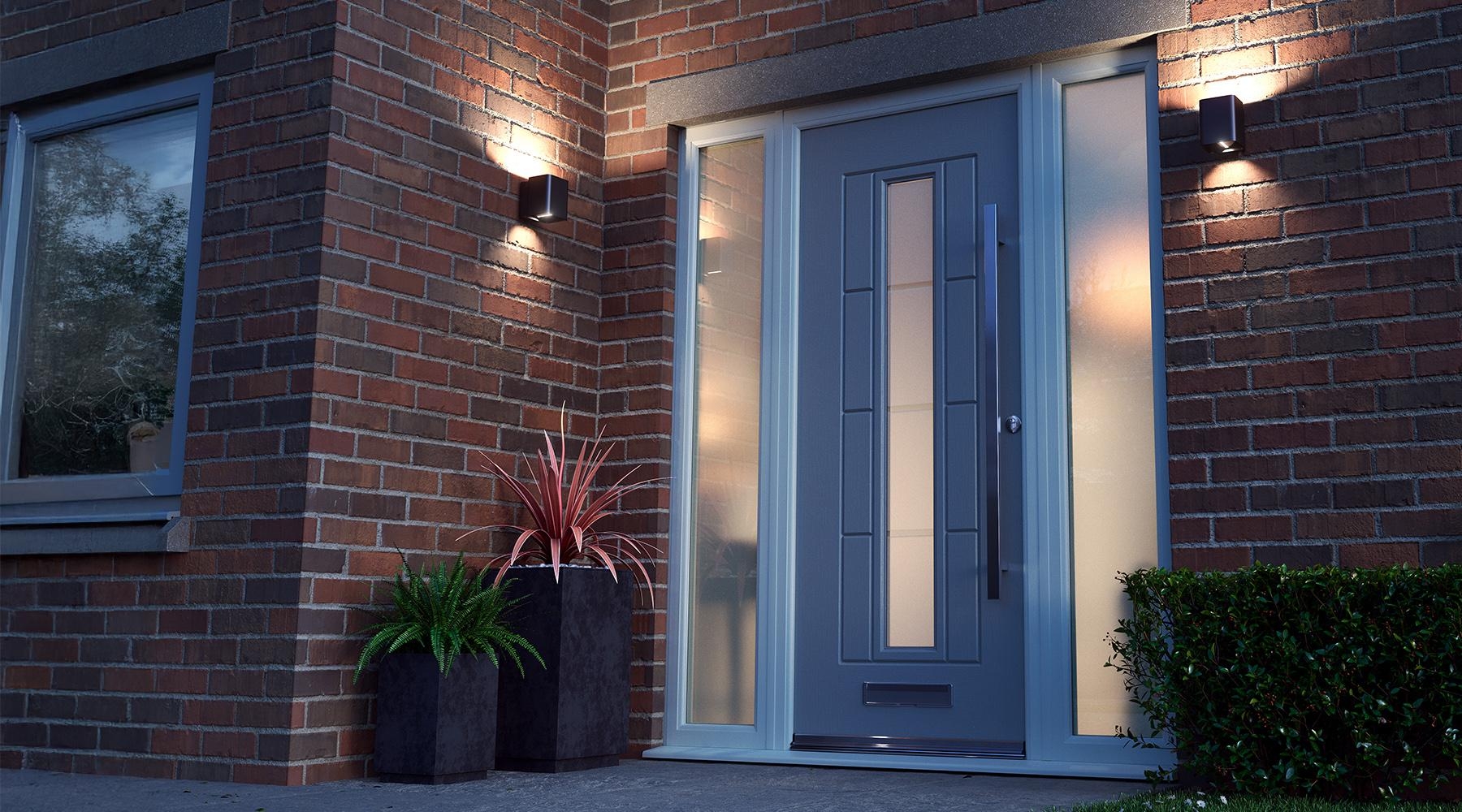
Unique Doors
Every Rockdoor is uniquely made to reflect your personal taste, not just for how it looks, but for how it feels the moment you step through.
Customised Glass
With Rockdoor, each glazing design is crafted individually to strike the perfect balance of light, privacy, and personality for your home.
Standout Colours
Make an unforgettable impression with Rockdoor’s carefully curated colour range, designed to complement any style and last for years.
Highly Secure
Rockdoors are made to measure, never cut to fit, and with a reinforced inner frame, precision engineering, and multi-point locking systems, they are guaranteed to protect what matters most.
Warm & Cosy
There’s nothing like walking into a warm, cosy home. A Rockdoor helps make that welcome a little more comforting, every day — without you even thinking about it.
Trusted Local Installers
Our wide network of 200+ Rockdoor Trusted Installers will help you choose your perfect door, carry out a hassle-free survey, provide you with an estimate and help plan your installation.



Design your dream door with the Rockdoor 3D Door Designer.
Choose unique styles, colours, and glass, then visualise on your home.
We are different.
We are Rockdoor.
Rockdoor stands in a league of its own because it’s engineered as a complete security and performance system. Every Rockdoor is built to order—crafted to look exceptional and last a lifetime. The result is a Rockdoor offering outstanding strength, efficiency, and long-lasting reliability, paired with style to suit any home.